
UNOC Told to Pursue Alternative Financing As Oil Projects Near Production
Finance Minister Henry Musasizi has urged the Uganda National Oil Company (UNOC) to strengthen its commercial operations and pursue sustainable alternative financing as the country’s oil and gas projects move closer to production.
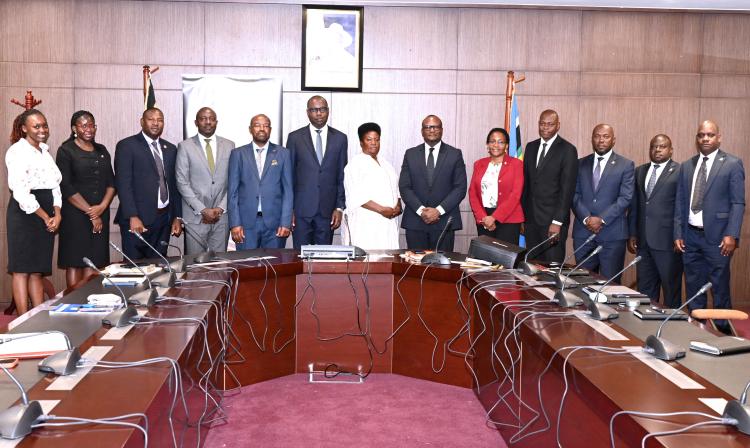
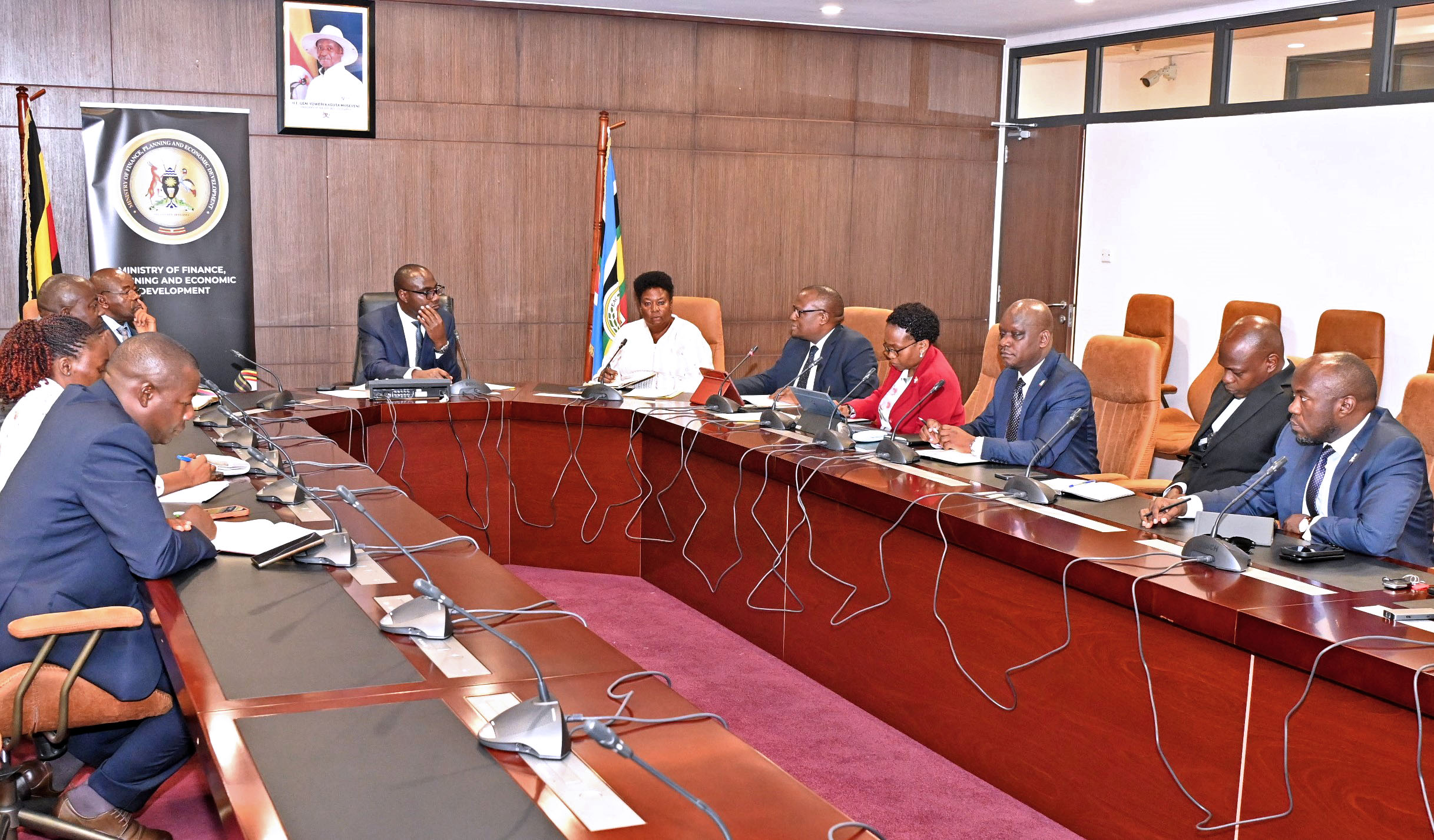
Musasizi, together with Hon. Amos Lugoloobi and Hon. Cissy Mulondo, made the call during an engagement with the UNOC Board and Management, led by Board Chairman Mathias Katamba and Chief Executive Officer Proscovia Nabbanja.
The meeting reviewed progress on UNOC’s strategic projects, petroleum supply operations, financing requirements and the company’s growing responsibilities as Uganda prepares for first oil.
UNOC, wholly owned by the Government of Uganda, manages the State’s commercial interests in the petroleum sector and is expected to play a central role in Uganda’s emerging oil economy.
Musasizi commended UNOC for maintaining petroleum supplies despite geopolitical tensions and disruptions in major oil-producing regions. However, he raised concerns about variations in pump prices and urged the company to strengthen its commercial capacity and diversify its financing sources.
He said alternative financing would be critical as UNOC’s portfolio expands and the company assumes greater financial obligations, particularly as Uganda’s oil projects transition from development to production.
OIL PROJECTS ADVANCE TOWARDS FIRST OIL
Uganda’s major petroleum projects are steadily approaching first production. By the end of June 2026, the East African Crude Oil Pipeline (EACOP) was 89.4% complete, while the Kingfisher Development Area stood at 79.36% and Tilenga at 74.2%.
The progress is increasing the need for UNOC to prepare for its financial and operational obligations associated with the production phase. The company is engaging the Ministry of Finance, Planning and Economic Development on financing requirements linked to its anticipated cash-call obligations.
UNOC also updated the meeting on its financing arrangement with Vitol Bahrain E.C., secured in December 2025 to support its infrastructure and petroleum-sector activities. The company said part of the facility earmarked for infrastructure projects had been accessed after the required conditions were met, with proceeds subsequently transferred to the Ministry of Finance.
PETROLEUM SUPPLY REMAINS A KEY FOCUS
UNOC reported continued growth in its petroleum trading and importation activities, including an increase in sole importation of petroleum products while maintaining supplies to Oil Marketing Companies despite challenging international sourcing conditions.
Nabbanja said fuel prices could eventually ease, although the decline may take longer than expected. She attributed continued pressure partly to instability in the Middle East and efforts by countries to replenish strategic petroleum reserves depleted during the conflict.
According to Nabbanja, the replenishment of those reserves is absorbing part of the available global supply and limiting the emergence of sufficient surplus on international markets.
Board Chairman Mathias Katamba said UNOC had demonstrated resilience in responding to geopolitical and market pressures, maintaining petroleum availability even when some neighbouring countries experienced supply challenges.

UNOC EXPANDS STORAGE INFRASTRUCTURE
UNOC is also advancing investments aimed at strengthening Uganda’s petroleum supply security.
The company is progressing plans for the 320-million-litre Kampala Storage Terminal at Namwabula in Mpigi District, where it has acquired 300 acres. Engineering, Procurement and Construction (EPC) and project management contracts have been signed, with groundbreaking expected later this month.
At Mombasa Port, UNOC is in the final stages of acquiring a 110-million-litre petroleum storage terminal.
The two facilities are expected to expand Uganda’s petroleum storage capacity, improve supply resilience and strengthen the country’s ability to manage imports through the Northern Corridor.
UNOC also highlighted Uganda’s strategic investment in the Kenya Pipeline Company (KPC) as an important component of its regional petroleum supply strategy. The investment provides Uganda with greater participation in critical petroleum transportation infrastructure along the Northern Corridor while positioning the country to benefit from growing regional demand.
As Uganda approaches first oil, the engagement between the Ministry of Finance and UNOC highlights the growing importance of strengthening the national oil company’s commercial capacity, diversifying financing sources and ensuring it is financially prepared for the opportunities and obligations of the production phase.